
A dictatorship is a form of government characterised by the absolute rule of one person or a very small group of people who hold all political power (Britannica Definition). Dictatorships in the democratic era are seen as extremely dangerous and deadly because they tend to treat their citizens inhumanely with full blown cruelty. Dictators do not rise to power, they fight violently or steal their way to power.
Tyranny basically refers to exercising power in an oppressive and controlling way.
So, if you are not sure whether you’re living in a tyrannical dictatorship or not, here are some telltale clues:
- There are high levels of unexplained detentions and arrests of civilians
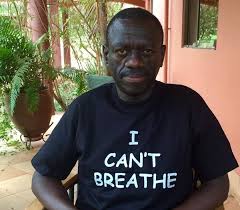
Uganda’s front runner opposition leader Col. Kizza Besigye under continued house arrest - Enemies of the Executive political leader or president live and die in exile
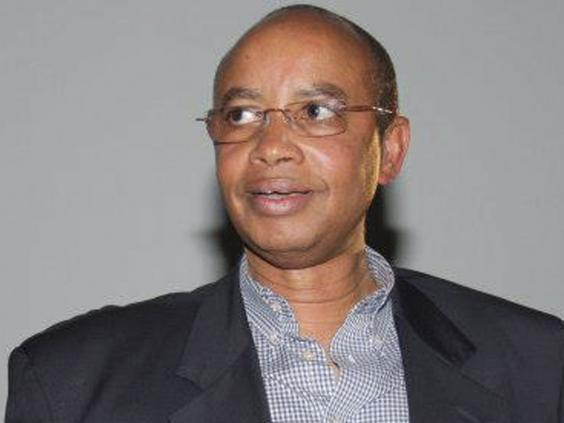
Lots of questions were raised when Rwanda’s Patrick Karegeya was found dead in a Luxury S.A hotel - Censorship of the media and public information
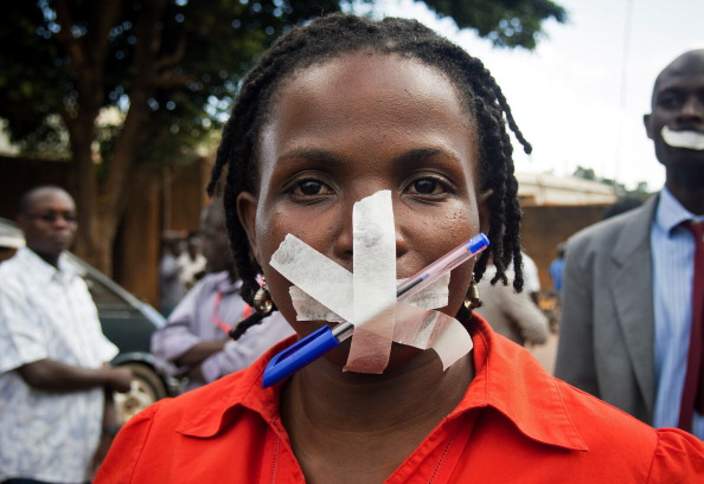
Journalists in Uganda demonstrate against suppression of their right to freedom of speech - Unexplained disappearances of political and human rights activists
Christopher Aine disappeared during the presidential campaigns in Uganda 2015 - You cannot speak freely against the reigning regime

Social media was shut down in Uganda during elections 2016 - Political parties are abolished and if they exist, they have queer names like Resisting Moral Progress (RMP), People’s Resistance Army (RPA)
- Suppression of investigators or whistleblowers who are sometimes are speaking up against injustice in the nation or voting irregularities
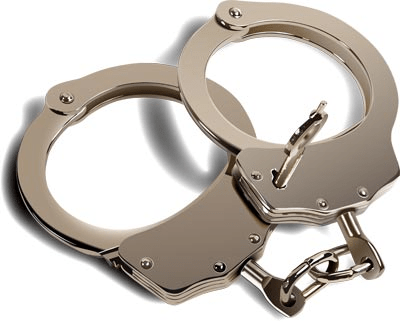
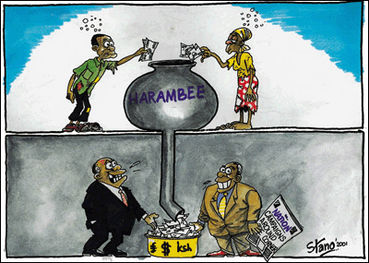
Suppression tools - Unpunished (accepted) misuse of public funds by the ruling group or person
- There are no independent bodies of the state in the executive, legislative or judiciary. All answer to the ruling dictator
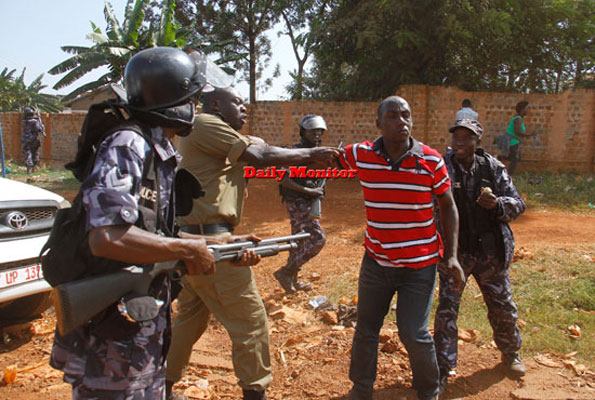
Daily Guide Africa images - Use of armed force and tear gas during peaceful demonstration are normal
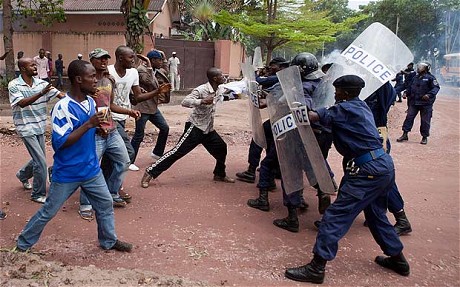
Police clash with opposition supporters while dispersing a rally in Congo (photo: ARP) - Massive rigging (vote fraud) during elections
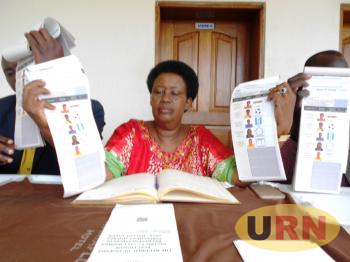
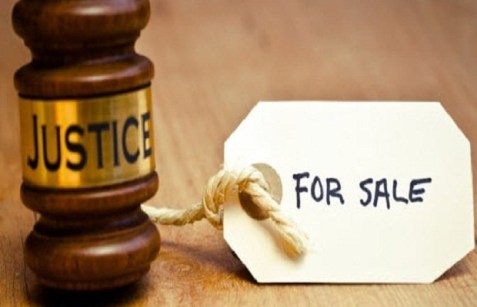
Kabatsi (Uganda) holds up pre-ticked ballot papers, 2016 (photo:URN) - Jury panels and the law is biased towards the reign of the dictator
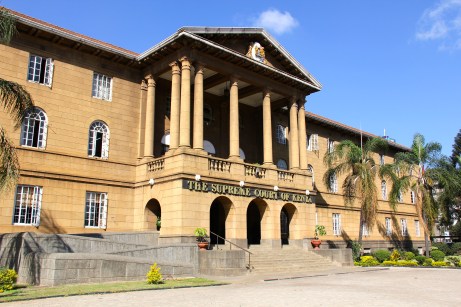
Supreme court building in Kenya (Internet images) - Militarisation of law enforcement
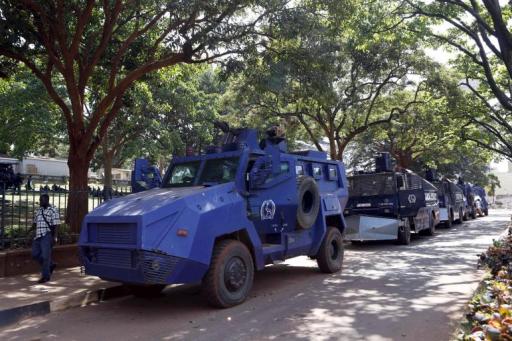
Deployment of these trucks in Kampala before Presidential elections 2016 - Internal spying and surveillance of the civilians
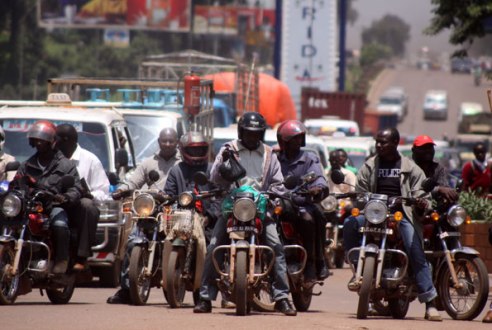
Opposition leaders in Uganda accuse government of using boda boda (bike) drives to spy on them - Supporters or political employees of the regime are really paid well regardless of their lack of competence or skills set amidst general poverty in the population
- Executive power or presidency is passed down to brothers or sons
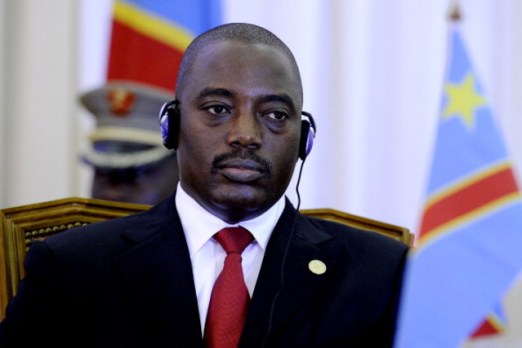
Joseph Kabila took over from the father - Increasing public ignorance of their civic duty and reluctance to perform their duty
- Declaring ‘war on crime’ that becomes a war on civil liberties
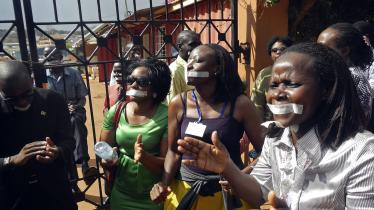
Employees of The Daily Monitor in Uganda (Human Rights Watch images) - Use of staged events to produce popular support for instance acts of terrorism and then blaming the opposition
- Increased dependency of people on the government. Everything is taken away or squandered and the masses live in poverty. In fact, dysfunction of the state is the bedrock for a dictatorship.
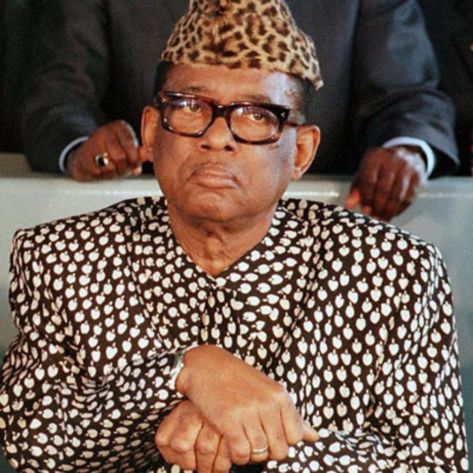
The late Mobutu Sese Seko thrived on dysfunction in the state of Congo - Unnecessary and inexplicable roadblocks
- Presidential PR is mismanaged and engages in ‘playground’ chatter
- Class officials (small ruling group) live above the law
- Political leaders or presidents come into power through war or theft
- Illegal amendment of the constitution and constant lifting of the presidential limit terms
- When genocide starts to occur
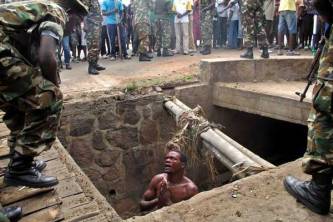
Burundi genocide in one photo (AFP photos) - Population is ignorant of their power in demanding fairness and justice
- Disregard of the youth population in executive positions of leadership
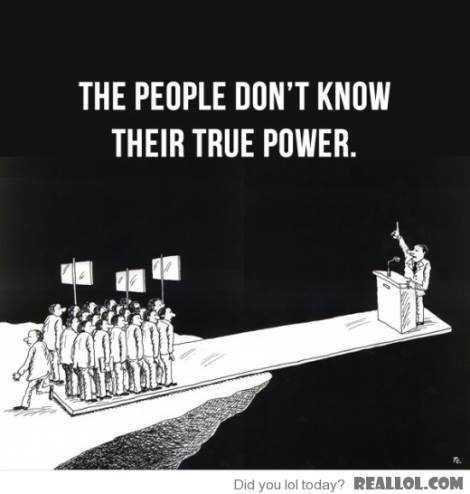
Over to you now… get your checklist ready!
 one.african.girl
Nice blog you havve
LikeLiked by 1 person
Thanks
LikeLike